
What is the FHL, and why does it matter?
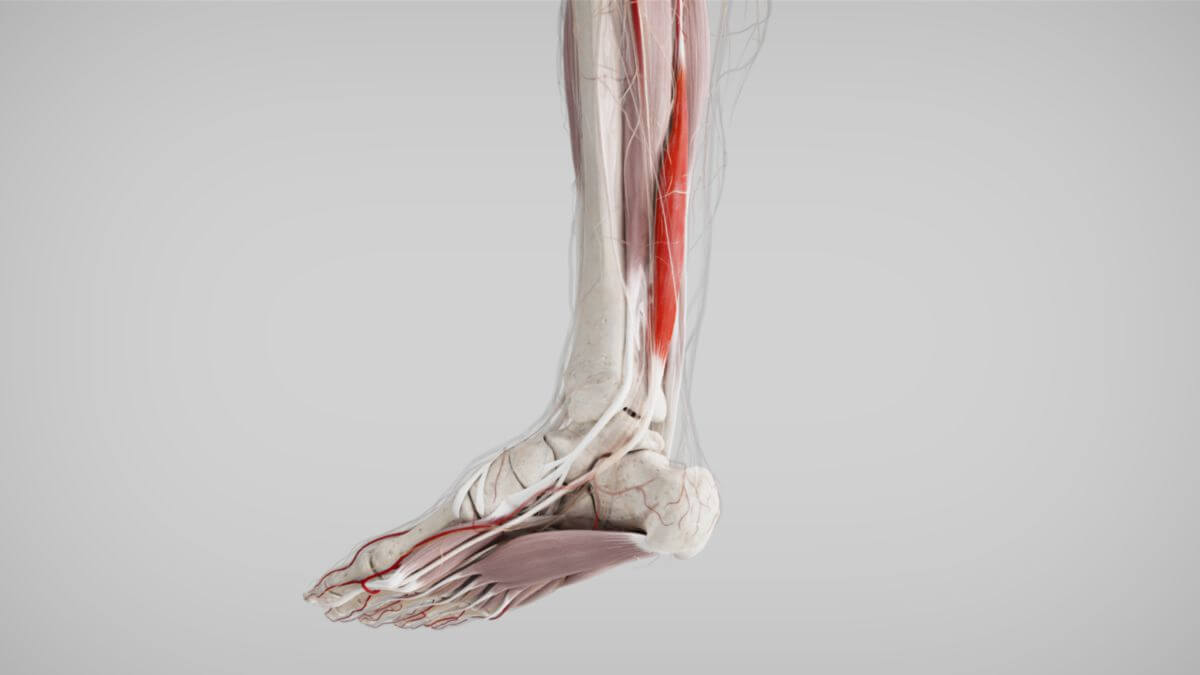
The flexor hallucis longus (FHL) is the deep tendon that bends the tip of your big toe and gives your foot its final “push-off” when you walk, run, or rise onto your toes. It travels a long path — from the back of the ankle, under a bony shelf, and along the sole of the foot, passing between the two small sesamoid bones beneath the big-toe joint before attaching to the last bone of the great toe.
Because this tendon carries heavy, repetitive load, problems in the sole are usually a closed rupture (a tear under intact skin) or a wear-and-tear tear, rather than an open cut.
How does it happen?
A complete rupture in the sole is uncommon. It can occur when the big toe is forced upward — for example during a deep lunge or a sudden push — tearing the tendon, with the torn end pulling back toward the middle of the foot. Sometimes it happens without any major injury at all (a “spontaneous” rupture), often on a background of gradual tendon wear. Occasionally the tendon can be injured during bunion surgery.
The warning sign most people miss
The key clue is simple: you can no longer bend the very tip of your big toe.
Here is the catch — the base of the big toe can still move, using other small muscles, so the foot may look almost normal. That is exactly why this injury is often overlooked. If you notice that the tip of your big toe won’t curl, or that your toe feels weak when pushing off, it deserves a proper check.
How we diagnose it
Diagnosis starts with a careful exam that specifically tests bending at the tip of the big toe. When a rupture is suspected, an MRI confirms the tear and shows how far the tendon has pulled back — information that guides treatment.

How it is treated
- Non-surgical care. For less active patients, or for partial tears, the loss of toe-tip bending is often tolerated well, and a supervised, non-operative plan is reasonable.
- Surgical repair (tenorrhaphy). For active patients, and especially for a complete tear where the tendon end has retracted, the tendon is stitched back together. Early diagnosis makes the repair easier and more dependable. After repair, most patients regain the ability to bend the toe tip; the motion may be slightly reduced and strength returns to roughly two-thirds of the other side, which is enough for comfortable daily activity and sport.

The right choice depends on your activity level, your goals, and the exact pattern of the tear — decided together, after an honest discussion of the options.
This page is for general education and is not a substitute for an in-person evaluation. If you think you may have a tendon injury in your foot, please seek assessment by a foot and ankle specialist.
Leave a Reply